Table of Contents
- What is Predictive Analytics in Healthcare?
- The Data Foundation: What Makes Predictions Possible
- Real-World Success Stories: Predictive Analytics in Action
- Employee Benefits Applications: Transforming Employer Healthcare Strategies
- Case Study: Westfield Manufacturing
- Integration Challenges and Privacy Considerations
- Technology Advancements Powering the Prediction Revolution
- Challenges on the Horizon
- Looking Forward: The Future of Healthcare Analytics
- Conclusion: A Data-Driven Healthcare Revolution
- How Benefits Reimagined Supports the Predictive Analytics Movement
RECENT POSTS
-
 26 October 2025Top-Rated HRIS Systems in 2025: A Comparison of the Best HR Software
 -
 26 October 2025The Most Common HRIS Systems Used by Growing Companies in 2025
 -
 26 October 20255 Types of HRIS Systems and How to Choose the Right One...
 -
 26 October 2025What Is an HRIS System? How It Transforms Modern HR Management
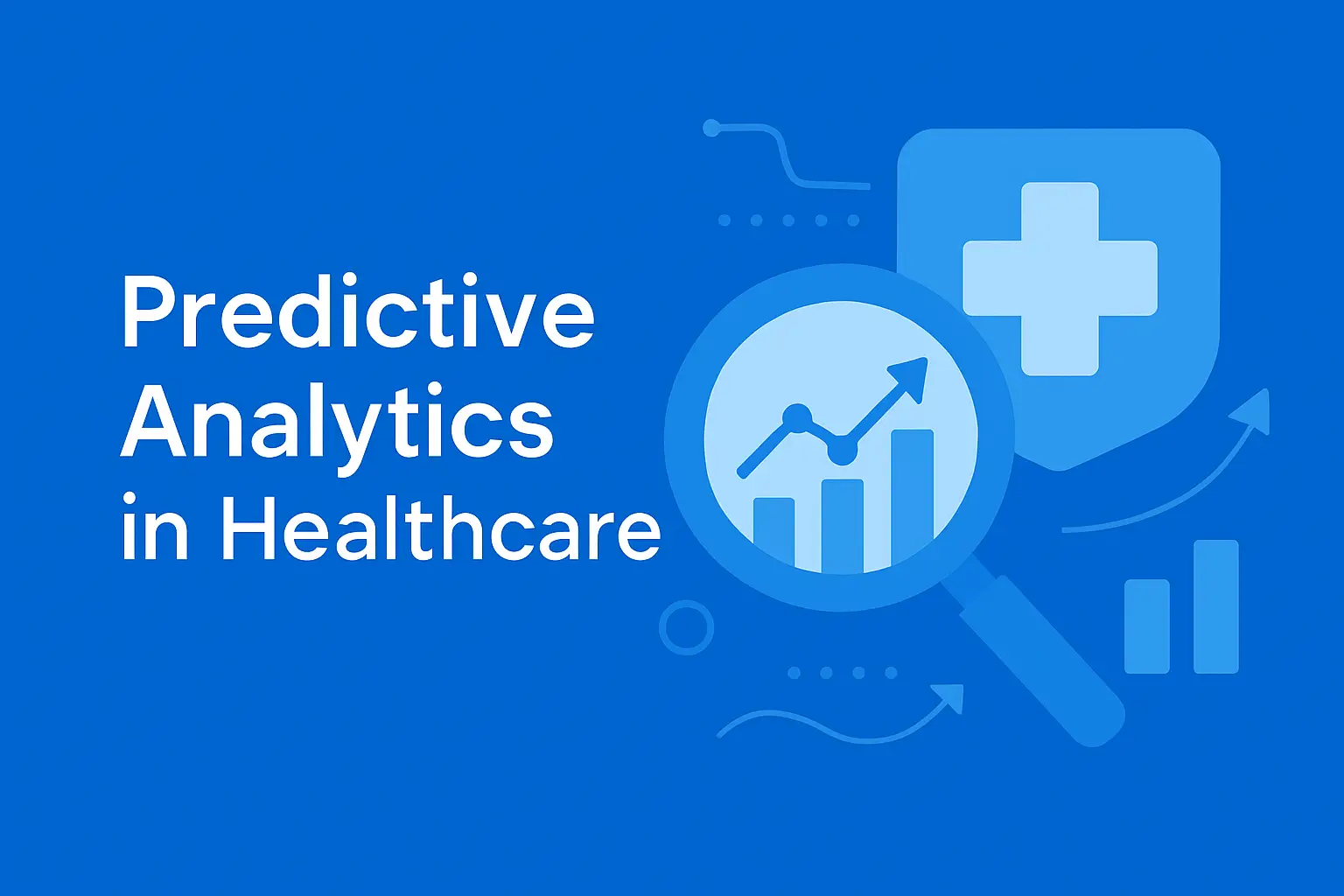
Healthcare is experiencing a quiet revolution. Behind hospital walls and clinic doors, a powerful combination of technology and data science is reshaping how medical professionals deliver care. At the center of this transformation is predictive analytics—a field that leverages historical and real-time data to forecast future healthcare events, patient needs, and operational challenges.
This isn’t just about creating interesting statistics. It’s about saving lives, reducing costs, and making healthcare more efficient and personalized than ever before.
What is Predictive Analytics in Healthcare?
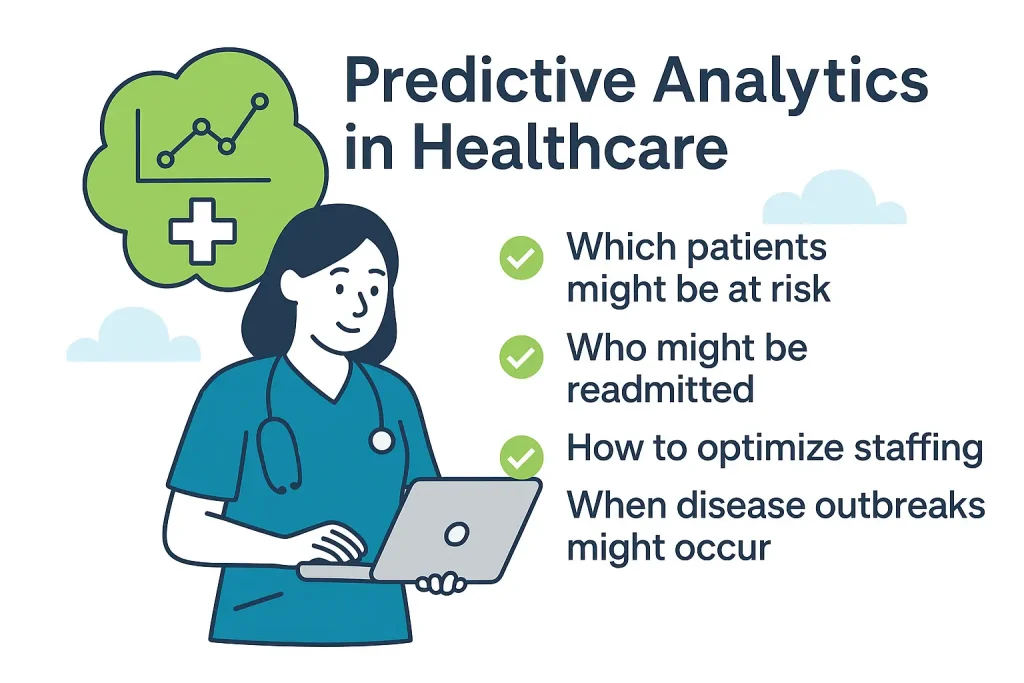
Predictive analytics in healthcare involves using advanced computational techniques to analyze vast amounts of patient and operational data. Through statistical modeling, machine learning algorithms, and data mining, healthcare providers can identify patterns that humans might miss and use these insights to make informed predictions about:
- Which patients might be at risk for certain conditions
- Who might be readmitted after discharge
- How to optimize staffing across different hospital departments
- When and where disease outbreaks might occur
Unlike traditional healthcare approaches that are reactive—treating conditions after they manifest—predictive analytics enables a proactive approach, allowing intervention before conditions worsen.
The Data Foundation: What Makes Predictions Possible
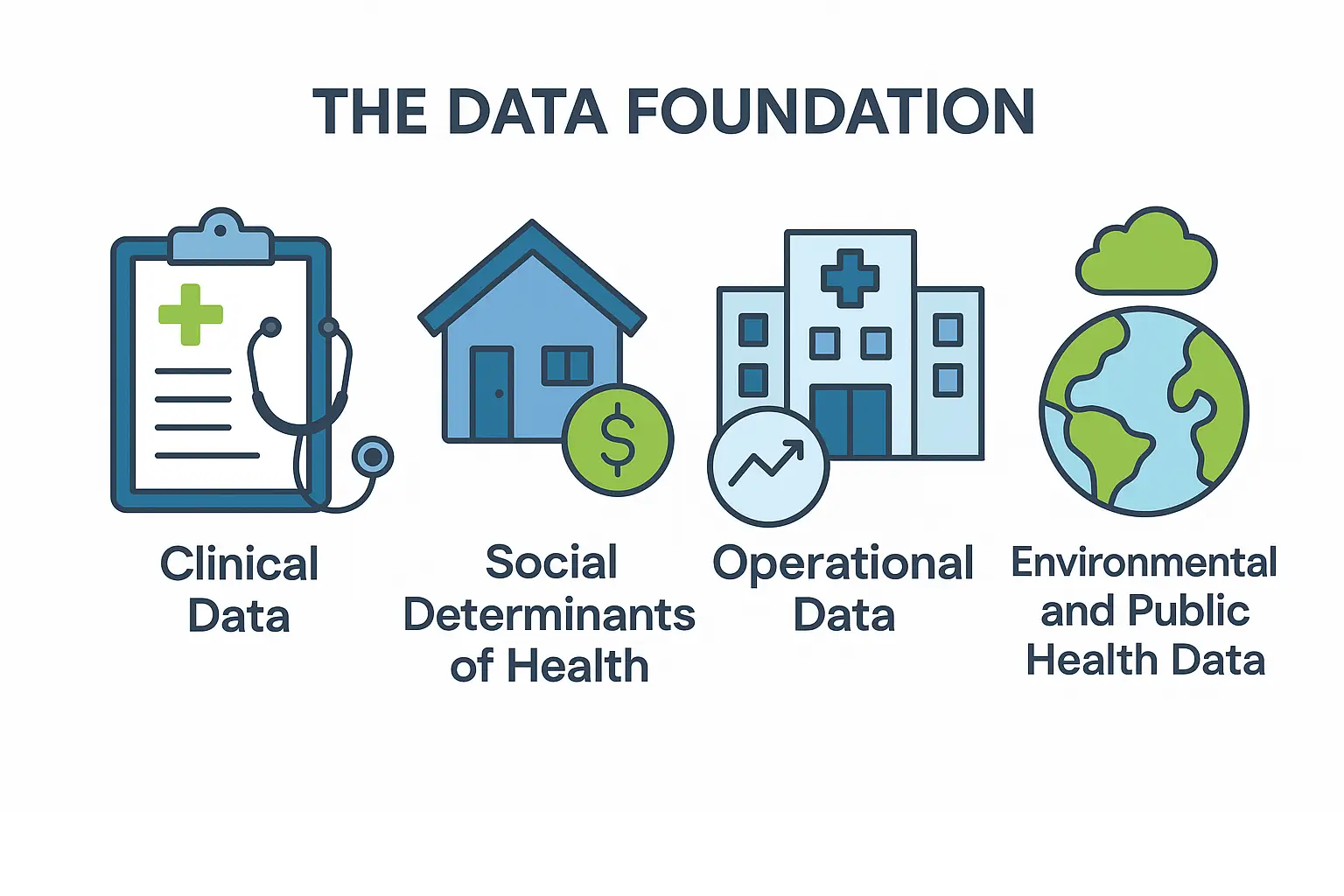
The power of predictive analytics depends entirely on the quality and breadth of data available. In healthcare, this includes:
Clinical Data
Patient histories, medication records, lab results, imaging reports, and treatment outcomes create the clinical portrait needed for individual risk assessment.
Social Determinants of Health
Factors like education level, income, housing stability, and access to transportation can significantly impact health outcomes. These social determinants often provide crucial context that pure medical data misses.
Operational Data
Hospital admissions patterns, staffing levels, resource utilization, and patient flow information help organizations optimize their operations and resource allocation.
Environmental and Public Health Data
Community health metrics, seasonal trends, environmental factors, and population demographics enable broader public health applications.
The challenge lies not just in collecting this data, but in ensuring its quality, completeness, and integration. Many healthcare systems still struggle with fragmented information across different departments and platforms.
Real-World Success Stories: Predictive Analytics in Action
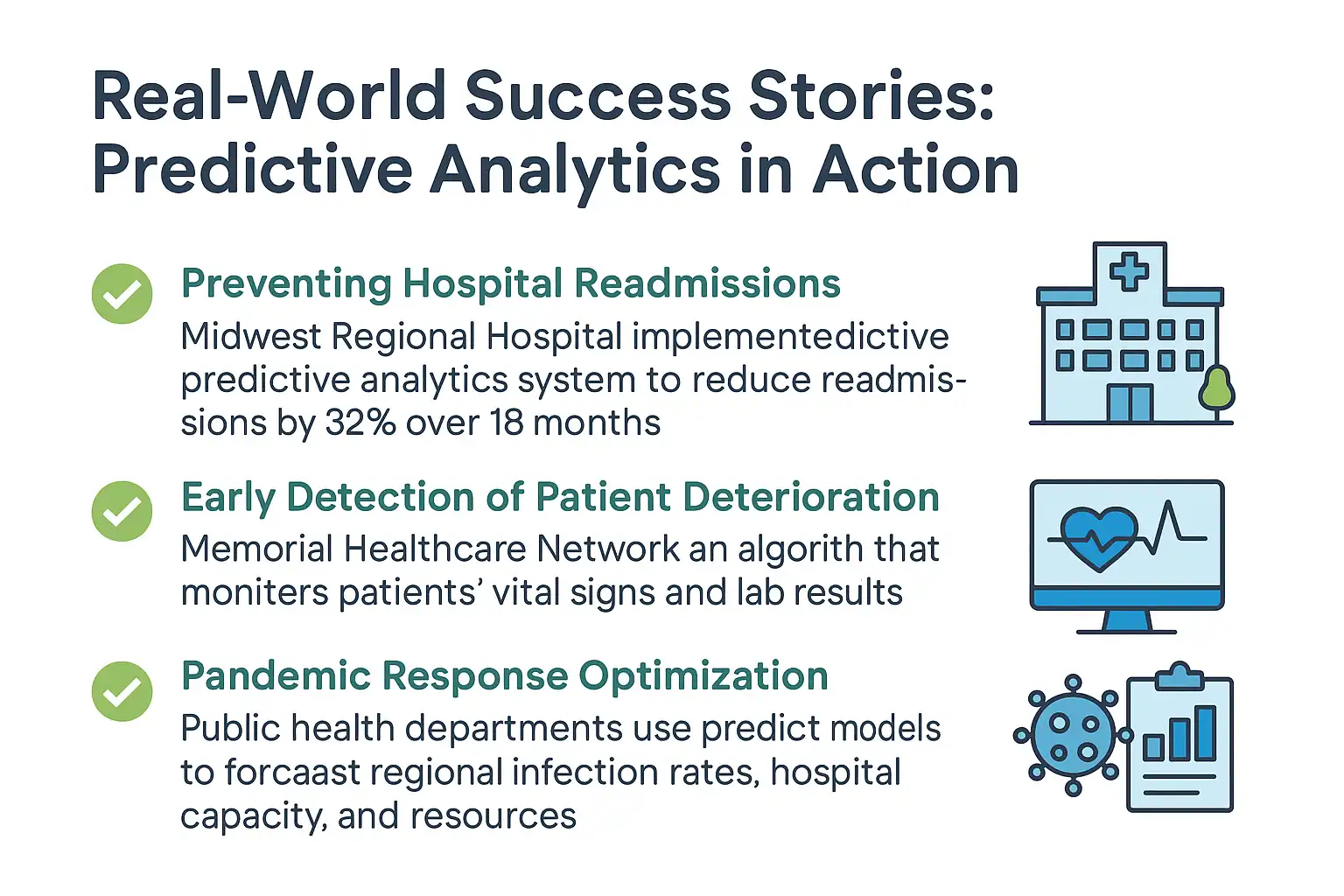
Preventing Hospital Readmissions
Midwest Regional Hospital implemented a predictive analytics system that reduced readmissions by 32% over 18 months. The system identifies patients at high risk for readmission based on various factors including medication adherence history, social support, and condition complexity. For flagged patients, the hospital now implements a comprehensive discharge program with follow-up calls, medication management assistance, and expedited clinic appointments.
Early Detection of Patient Deterioration
Memorial Healthcare Network developed an algorithm that monitors patients’ vital signs and lab results to detect subtle changes that might indicate deterioration up to 12 hours before clinical symptoms become apparent. This early warning system has reduced ICU transfers by 28% and decreased average length of stay by 1.7 days across their hospital system.
Pandemic Response Optimization
During recent viral outbreaks, several public health departments deployed predictive models to forecast regional infection rates, hospital capacity needs, and resource requirements. These tools helped officials make critical decisions about where to allocate ventilators, PPE, and medical personnel during peak periods.
Employee Benefits Applications: Transforming Employer Healthcare Strategies
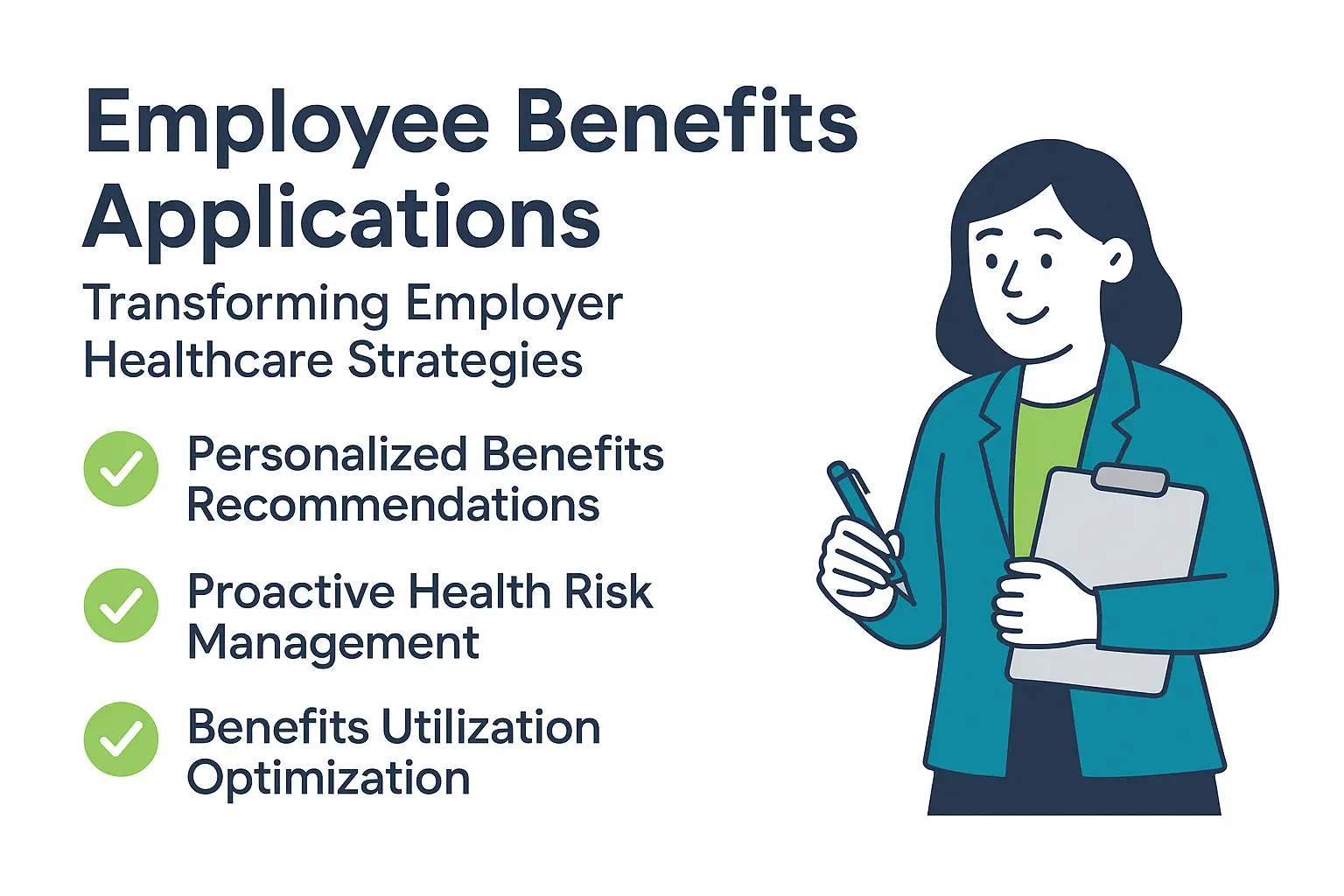
The revolution in predictive analytics isn’t limited to clinical settings. Forward-thinking employers are leveraging these powerful tools to transform their employee benefits programs, creating healthier workforces while controlling healthcare costs.
Personalized Benefits Recommendations
Advanced analytics platforms can now analyze an employee’s health profile, family situation, and historical healthcare utilization to recommend optimal benefits selections during enrollment periods. These personalized recommendations ensure employees select plans that provide appropriate coverage for their specific needs while avoiding unnecessary premium costs.
“We’ve seen a 24% increase in benefits satisfaction since implementing our predictive recommendation engine,” notes Jennifer Martinez, VP of Human Resources at TechCore Industries. “Employees appreciate guidance that helps them navigate complex healthcare choices.”
Proactive Health Risk Management
Employers with self-funded health plans are using predictive analytics to identify employee population health risks before they result in costly claims. By analyzing anonymized health data, these systems can identify:
- Departments or locations with elevated chronic disease risk
- Emerging mental health support needs
- Lifestyle factors contributing to health issues
- Potential for serious health events before they occur
When concerning trends emerge, employers can deploy targeted wellness initiatives, educational campaigns, or enhanced benefits options to address specific needs.
Benefits Utilization Optimization
Predictive models help employers understand which benefits programs deliver the highest return on investment in terms of employee health outcomes and cost savings. By analyzing utilization patterns and health outcomes, companies can:
- Refine wellness program offerings based on predicted engagement
- Adjust telehealth services to address anticipated demand
- Optimize on-site clinic staffing based on forecasted needs
- Design incentive programs that target high-impact health behaviors
Case Study: Westfield Manufacturing
Westfield Manufacturing implemented a predictive analytics platform that integrated with their benefits administration system in 2023. The system identified a pattern of untreated prediabetes among plant workers that was likely to result in millions in diabetes-related claims within three years.
In response, Westfield launched a targeted diabetes prevention program with enhanced coverage for preventive care, medication, and lifestyle support. Two years later, the company has seen a 67% reduction in progression to diabetes among high-risk employees and reduced projected healthcare costs by $4.2 million.
Integration Challenges and Privacy Considerations
While the potential benefits are substantial, employers must navigate significant challenges when implementing predictive analytics for benefits programs:
- Employee privacy concerns must be addressed through rigorous data anonymization and transparent policies about data usage
- Integration between various benefits platforms and analytics systems requires careful planning
- Legal compliance with healthcare privacy regulations demands specialized expertise
- Communication about data usage must be clear to maintain employee trust
Despite these challenges, the integration of predictive analytics into employee benefits represents one of the most promising frontiers in workforce health management. As one benefits consultant noted, “We’re moving from a world where benefits were a reactive expense to one where they’re a proactive investment in workforce health and productivity.”
Technology Advancements Powering the Prediction Revolution
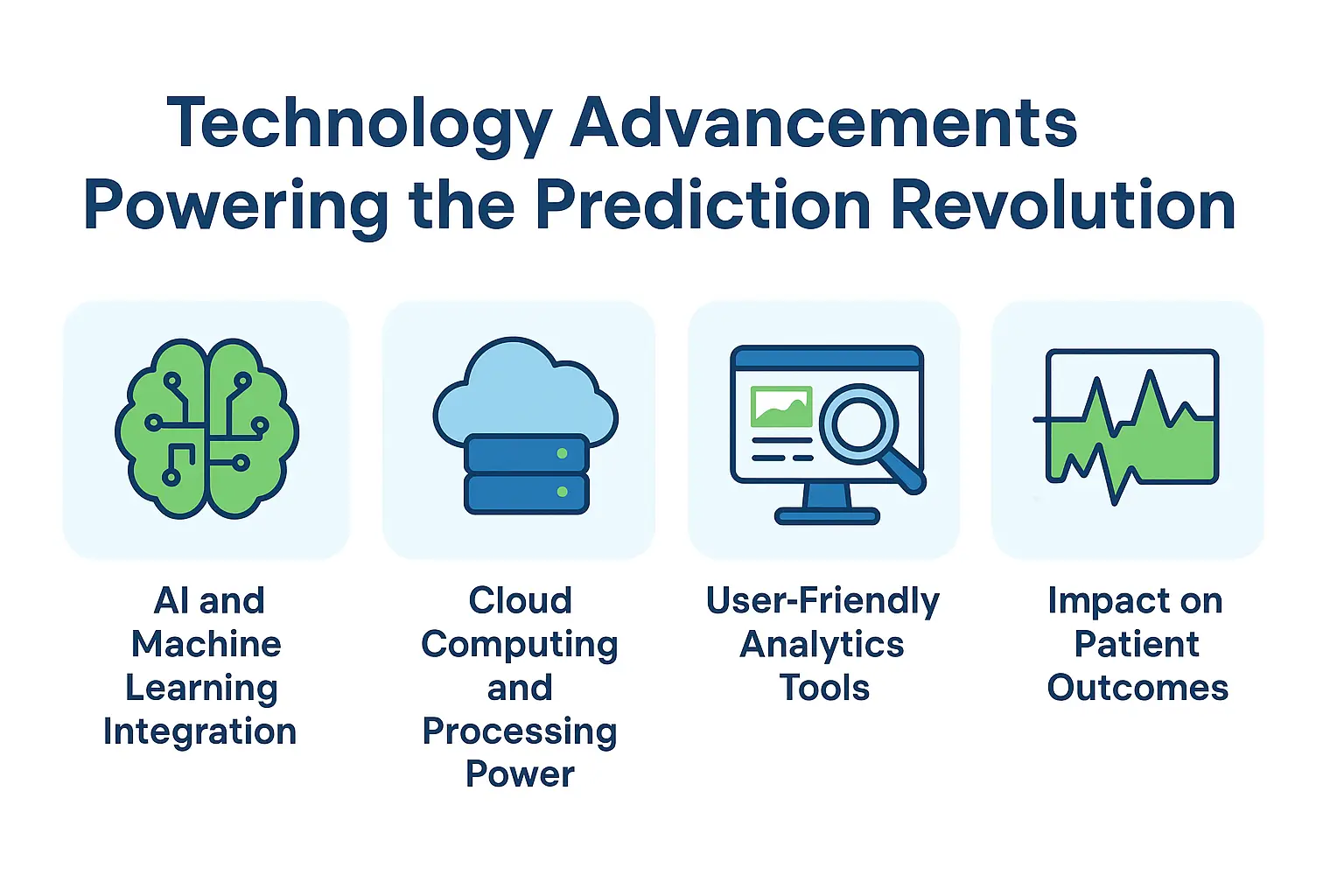
Recent technological developments have dramatically expanded what’s possible with predictive analytics:
AI and Machine Learning Integration
The integration of artificial intelligence and machine learning algorithms with healthcare data has transformed predictive capabilities. Modern systems can:
- Process unstructured clinical notes through natural language processing
- Identify complex patterns across thousands of variables
- Continuously learn and improve prediction accuracy over time
- Generate insights that would be impossible with traditional statistical methods
Cloud Computing and Processing Power
The computational demands of healthcare analytics require significant processing capabilities. Cloud platforms now enable healthcare organizations to analyze massive datasets without investing in expensive on-premises infrastructure.
User-Friendly Analytics Tools
Modern predictive analytics platforms feature intuitive interfaces that allow clinicians without data science backgrounds to interact with predictions and insights. This accessibility has dramatically increased adoption across healthcare settings.
Impact on Patient Outcomes
The ultimate goal of healthcare predictive analytics is improving patient outcomes. Early adopters are seeing significant results:
Risk Stratification
By accurately identifying patients at highest risk for complications, healthcare providers can implement targeted interventions. For chronic disease management, this approach has shown particular promise in conditions like diabetes, heart failure, and COPD.
Personalized Treatment Plans
Predictive models can help determine which treatments are most likely to succeed for specific patient profiles. This reduces the trial-and-error approach that often characterizes treatment selection.
Resource Optimization
When hospitals can predict patient volumes and acuity levels, they can ensure appropriate staffing and resource allocation. This reduces wait times and ensures patients receive timely care when needed.
Challenges on the Horizon
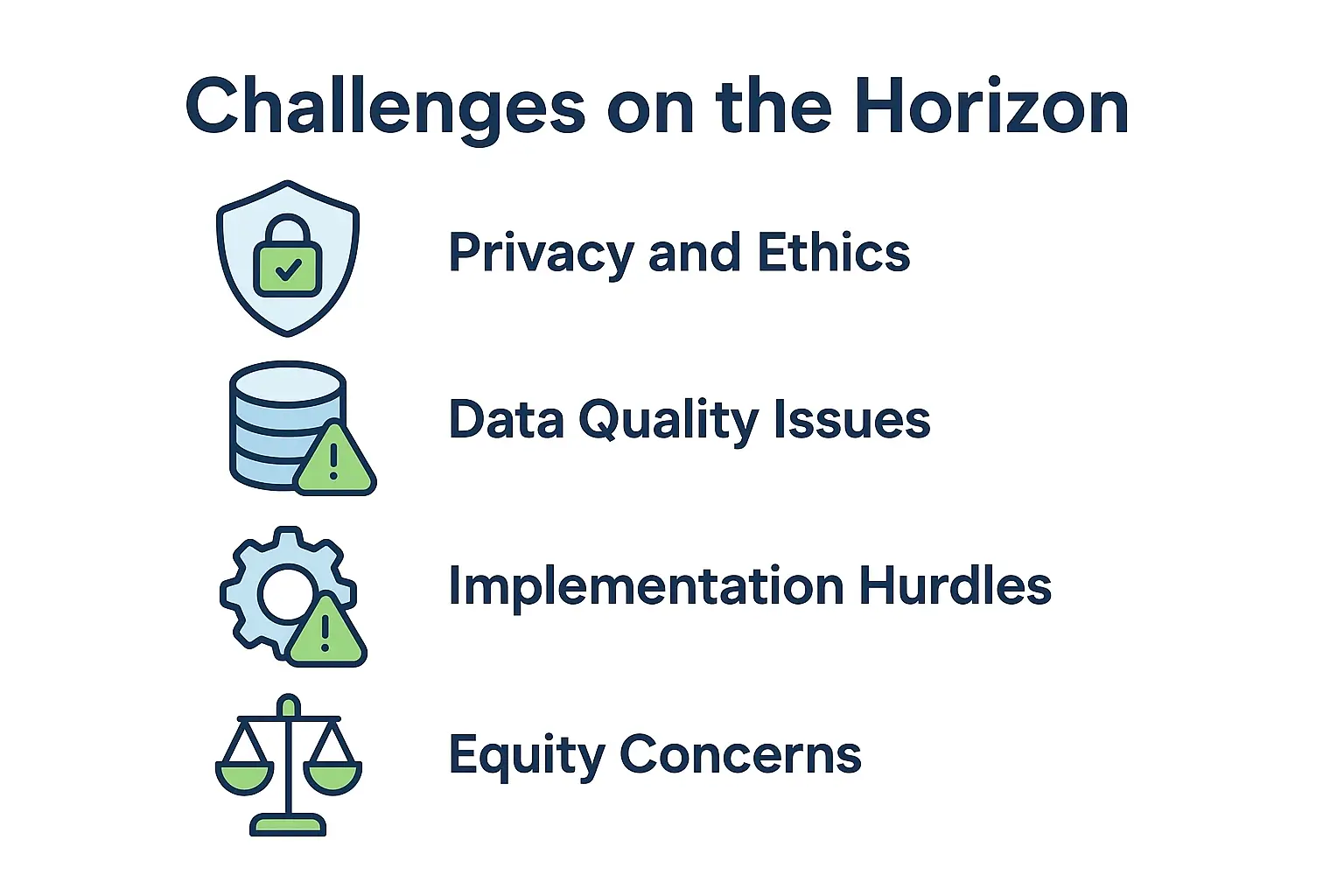
Despite its promise, predictive analytics in healthcare faces significant challenges:
Privacy and Ethics
Patient data is among the most sensitive information collected. Healthcare organizations must navigate complex privacy regulations while maintaining ethical standards around how predictions are used in clinical decision-making.
Data Quality Issues
Predictions are only as good as the data feeding them. Missing information, inconsistent documentation, and integration problems can undermine the accuracy of even the most sophisticated algorithms.
Implementation Hurdles
Integrating predictive analytics into clinical workflows requires careful planning, staff training, and organizational buy-in. Many promising systems have failed due to poor implementation rather than technological shortcomings.
Equity Concerns
Algorithms trained on historical data may perpetuate or even amplify existing healthcare disparities if not carefully designed and monitored for bias.
Looking Forward: The Future of Healthcare Analytics
As predictive analytics matures in healthcare, we can expect:
- Increased integration with patient-generated health data from wearables and home monitoring devices
- More sophisticated models that incorporate genomic information for truly personalized medicine
- Widespread adoption of predictive tools in smaller healthcare settings, not just academic medical centers
- Greater standardization and interoperability to enhance data sharing and collaborative research
Conclusion: A Data-Driven Healthcare Revolution
Predictive analytics represents one of the most promising frontiers in modern healthcare. By harnessing the power of data to anticipate patient needs, optimize resources, and personalize treatment approaches, healthcare organizations can simultaneously improve outcomes and control costs.
For employers, these same tools offer unprecedented opportunities to transform employee benefits from a cost center to a strategic asset that improves workforce health while managing healthcare expenditures.
The road ahead includes significant challenges related to data quality, privacy, implementation, and equity. However, healthcare systems and employers that successfully navigate these obstacles will be positioned to deliver care that is not just reactive but truly anticipatory, intervening at the right time, with the right resources, for the right patients.
Predictive analytics offers something remarkable in a healthcare landscape often defined by constraints and challenges: the ability to see around corners and prepare for what’s coming. That capability may be the most valuable medical advancement of our time.
How Benefits Reimagined Supports the Predictive Analytics Movement
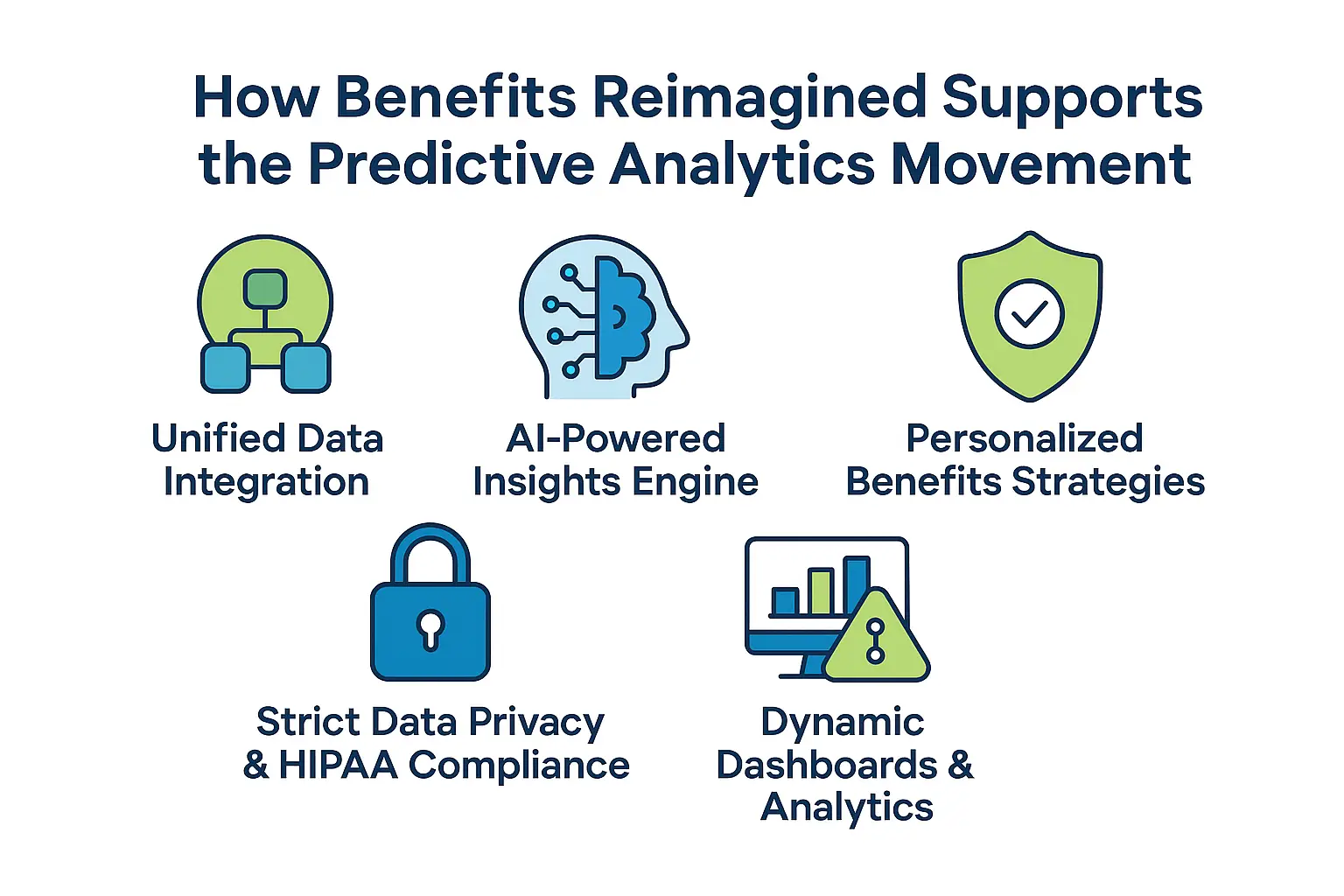
Benefits Reimagined is purpose-built to harness the power of predictive analytics in the employee benefits landscape. By integrating with diverse data sources—including HRIS systems, payroll providers, health plan carriers, and wearable health data platforms—it creates a unified data layer that enables proactive, personalized, and data-informed benefits strategies.
The platform’s AI-powered insights engine helps employers identify at-risk populations, recommend optimal benefit plans during open enrollment, and deploy targeted wellness programs—all while maintaining strict data privacy and HIPAA compliance. With built-in ElasticSearch analytics and dynamic dashboards via Kibana, Benefits Reimagined transforms raw benefits data into actionable intelligence.
Whether it’s forecasting chronic disease risks, identifying underutilized preventive services, or optimizing plan design based on claims and lifestyle data, Benefits Reimagined empowers HR and benefits leaders to make decisions that drive both cost savings and better health outcomes for their workforce.